From my bookshelf
Twelve books, and what has stayed with me.
From my bookshelf
Twelve books, and what has stayed with me.
Books that stay with me
12 books · Personal notes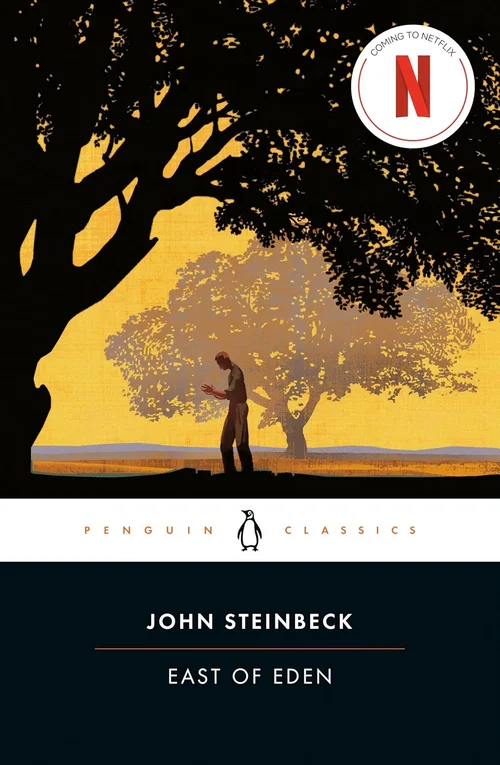
Literary Fiction
East of Eden
The idea that stays with me is timshel: thou mayest. We inherit circumstances, mistakes, expectations, even parts of ourselves we did not choose. But inheritance is not destiny. Somewhere between what happened to us and what we become, there is still a choice.
Literary Fiction
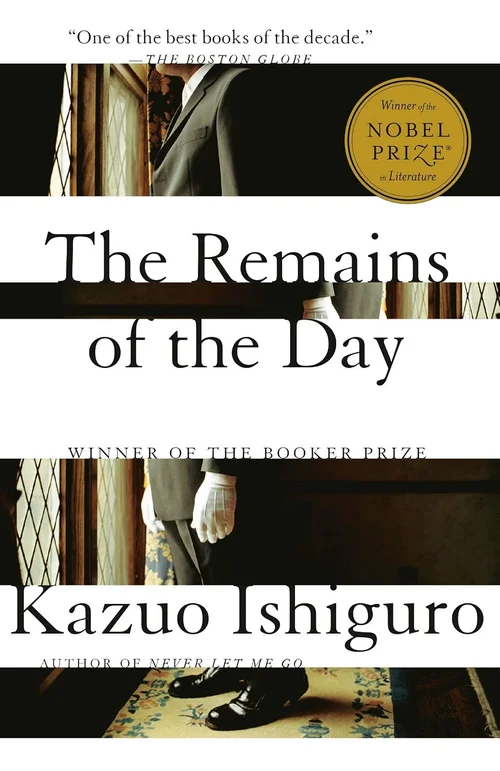
The Remains of the Day
There is something frightening about a life lived correctly for the wrong reasons. Stevens gives almost everything to duty, discipline, and dignity, only to discover that a life can be admirable from the outside and still leave something essential unlived. I think about that more often than I would like to admit.
Philosophical Fiction
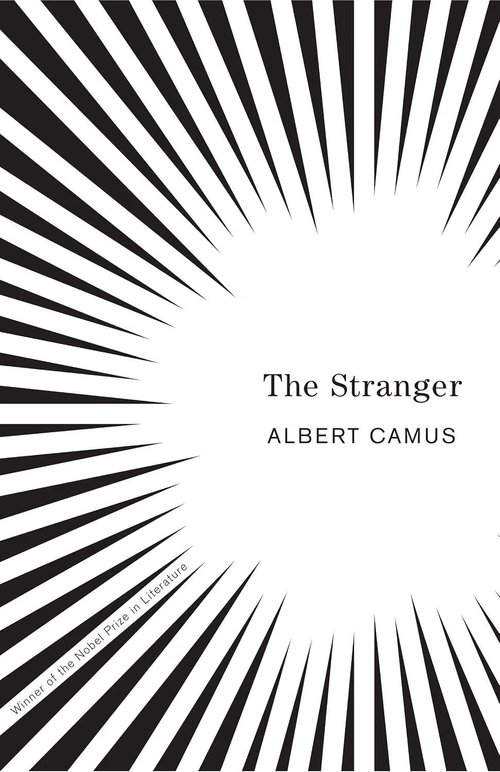
The Stranger
What unsettles me about this book is how quickly society moves from judging what a person has done to judging whether he has felt correctly. Camus strips away the explanations we usually rely on and leaves us facing something much harder: the possibility that life does not owe us a satisfying meaning.
Dystopian Fiction
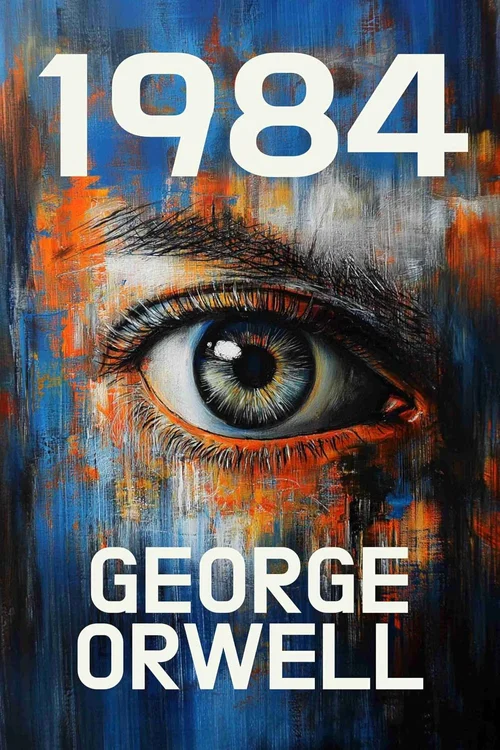
1984
I do not think of 1984 simply as a political novel. To me, it is a book about what happens when someone else gains the power to define reality for you. Control the language, control the memory, control the truth, and eventually independent thought becomes an act of resistance.

Psychology & Meaning
Man’s Search for Meaning
Some circumstances cannot be negotiated with. They simply arrive. Frankl’s enduring idea is that even then, something remains ours: the way we respond. I return to that thought often. We may not always choose what happens to us, but we still participate in deciding what it will mean.
Stoic Philosophy
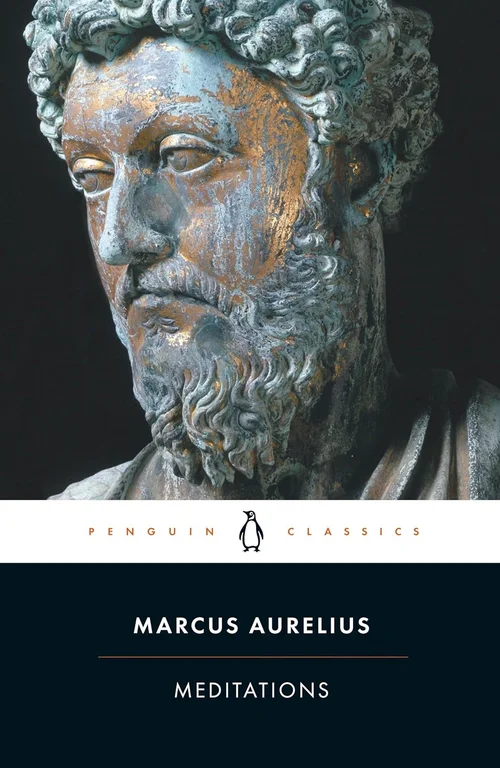
Meditations
I return to Marcus Aurelius when life becomes noisy. He keeps asking the same difficult question in different ways: What is actually mine to control? Usually, much less than I think. But my judgment, my conduct, and the way I meet what happens next are still mine.
Philosophy & Ethics
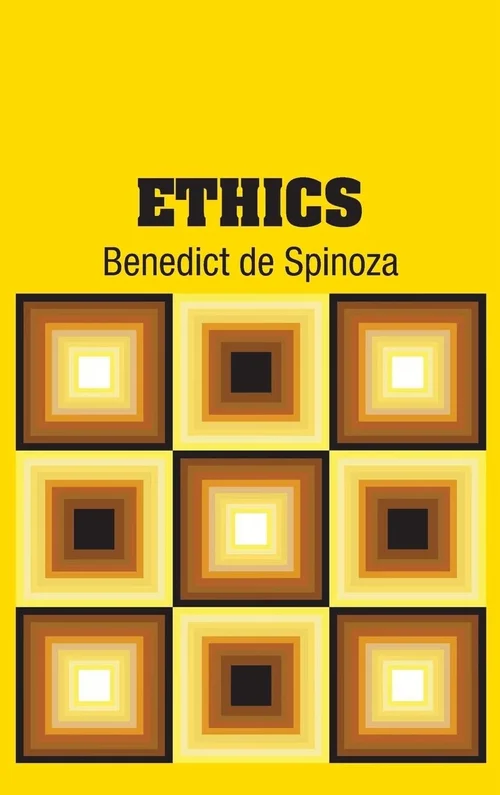
Ethics
Spinoza changed the way I think about judgment. Before condemning a person, an action, or even one of my own past decisions, I want to understand what produced it. Understanding does not mean excusing everything. It means seeing more clearly before deciding what deserves blame.
Ethics & Virtue
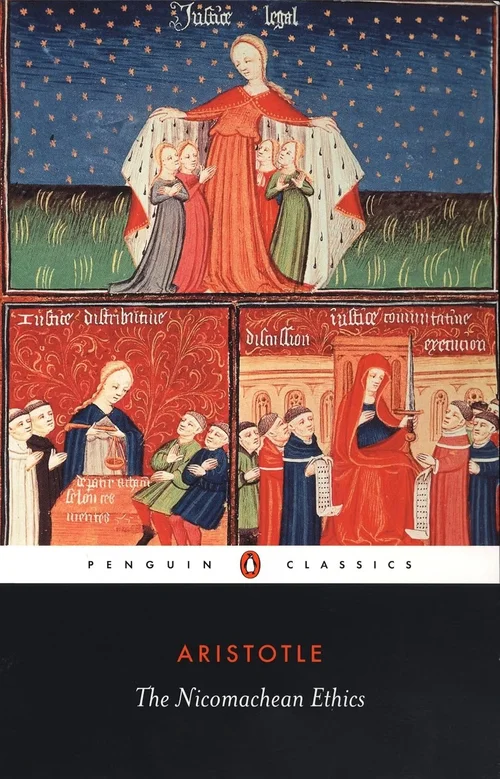
Nicomachean Ethics
Aristotle interests me because he does not offer morality as a list of instructions. He asks what kind of person our repeated choices are slowly creating. Wisdom, in this sense, is not knowing the rule. It is recognizing what this particular moment requires.
Psychology & Mortality
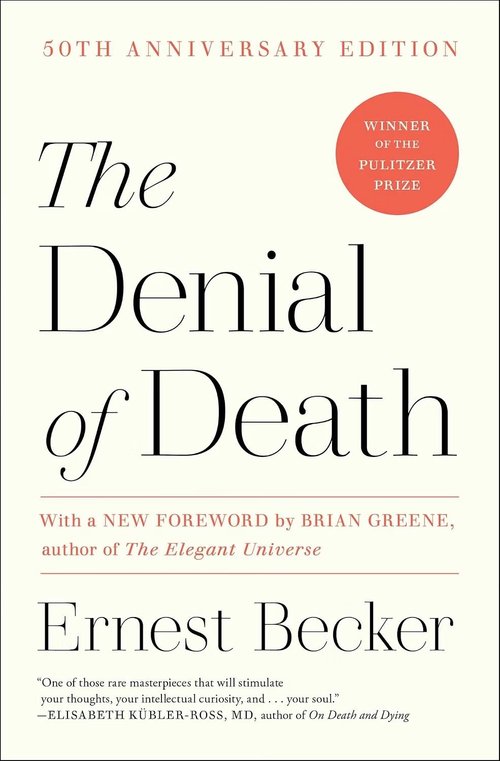
The Denial of Death
This is an uncomfortable book because it asks us to look beneath ambition, status, identity, and even some of our deepest convictions. Becker suggests that much of what we build may be connected to our awareness that we will not be here forever. Once that question enters your mind, it is difficult to completely remove it.
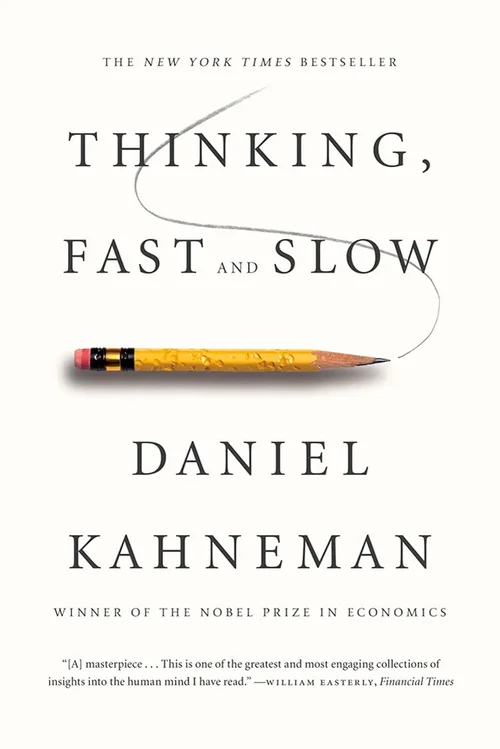
Psychology & Decision-Making
Thinking, Fast and Slow
I am fascinated not only by the decisions people make, but by how they arrive at them. Kahneman shows how easily intuition, confidence, memory, and hindsight can disguise themselves as reason. The book made me more cautious about certainty, particularly my own.
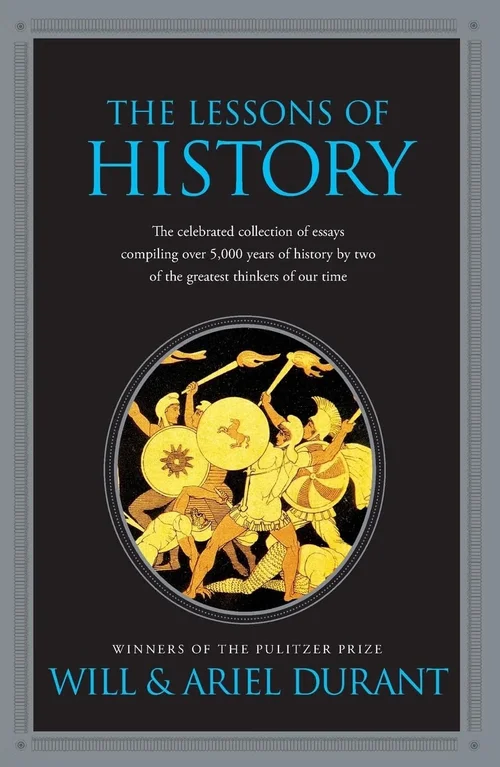
History & Civilization
The Lessons of History
I like books that force me to zoom out. The Durants compress centuries of civilization into recurring patterns of power, economics, belief, conflict, ambition, and human nature. Headlines change constantly. Human beings, perhaps, not nearly as much.
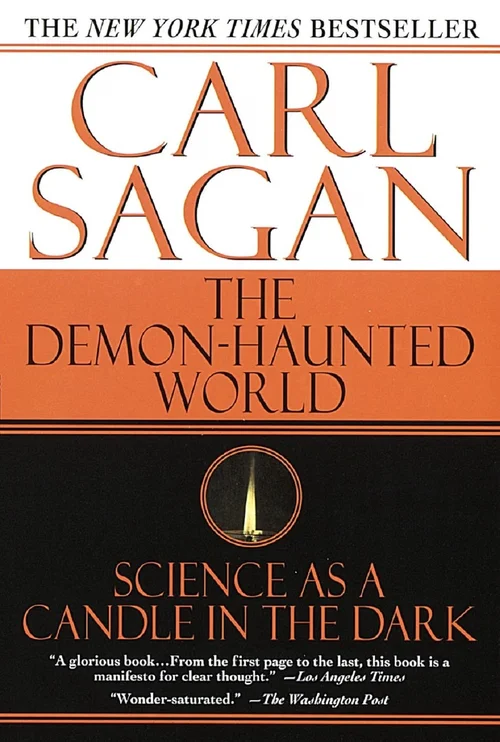
Science & Skepticism
The Demon-Haunted World
What I admire most about Sagan is that his skepticism never becomes cynicism. He asks us to remain open without becoming gullible, and curious without abandoning evidence. The lesson I carry from this book is simple: I should be most suspicious of an idea precisely when I want it to be true.
Where Ideas Began
Thirteen authors. Ten countries. A world of thought.
Birthplaces shown at city level, using present-day country names. Geography: Natural Earth.
East of Eden
The idea that stays with me is timshel: thou mayest. We inherit circumstances, mistakes, expectations, even parts of ourselves we did not choose. But inheritance is not destiny. Somewhere between what happened to us and what we become, there is still a choice.
The Remains of the Day
There is something frightening about a life lived correctly for the wrong reasons. Stevens gives almost everything to duty, discipline, and dignity, only to discover that a life can be admirable from the outside and still leave something essential unlived. I think about that more often than I would like to admit.
The Stranger
What unsettles me about this book is how quickly society moves from judging what a person has done to judging whether he has felt correctly. Camus strips away the explanations we usually rely on and leaves us facing something much harder: the possibility that life does not owe us a satisfying meaning.
1984
I do not think of 1984 simply as a political novel. To me, it is a book about what happens when someone else gains the power to define reality for you. Control the language, control the memory, control the truth, and eventually independent thought becomes an act of resistance.
Man’s Search for Meaning
Some circumstances cannot be negotiated with. They simply arrive. Frankl’s enduring idea is that even then, something remains ours: the way we respond. I return to that thought often. We may not always choose what happens to us, but we still participate in deciding what it will mean.
Meditations
I return to Marcus Aurelius when life becomes noisy. He keeps asking the same difficult question in different ways: What is actually mine to control? Usually, much less than I think. But my judgment, my conduct, and the way I meet what happens next are still mine.
Ethics
Spinoza changed the way I think about judgment. Before condemning a person, an action, or even one of my own past decisions, I want to understand what produced it. Understanding does not mean excusing everything. It means seeing more clearly before deciding what deserves blame.
Nicomachean Ethics
Aristotle interests me because he does not offer morality as a list of instructions. He asks what kind of person our repeated choices are slowly creating. Wisdom, in this sense, is not knowing the rule. It is recognizing what this particular moment requires.
The Denial of Death
This is an uncomfortable book because it asks us to look beneath ambition, status, identity, and even some of our deepest convictions. Becker suggests that much of what we build may be connected to our awareness that we will not be here forever. Once that question enters your mind, it is difficult to completely remove it.
Thinking, Fast and Slow
I am fascinated not only by the decisions people make, but by how they arrive at them. Kahneman shows how easily intuition, confidence, memory, and hindsight can disguise themselves as reason. The book made me more cautious about certainty, particularly my own.
The Lessons of History
I like books that force me to zoom out. The Durants compress centuries of civilization into recurring patterns of power, economics, belief, conflict, ambition, and human nature. Headlines change constantly. Human beings, perhaps, not nearly as much.
The Demon-Haunted World
What I admire most about Sagan is that his skepticism never becomes cynicism. He asks us to remain open without becoming gullible, and curious without abandoning evidence. The lesson I carry from this book is simple: I should be most suspicious of an idea precisely when I want it to be true.